Species we study, propagate, and protect
Click on any fish below to jump to its detailed profile. Information on each species will be added soon.
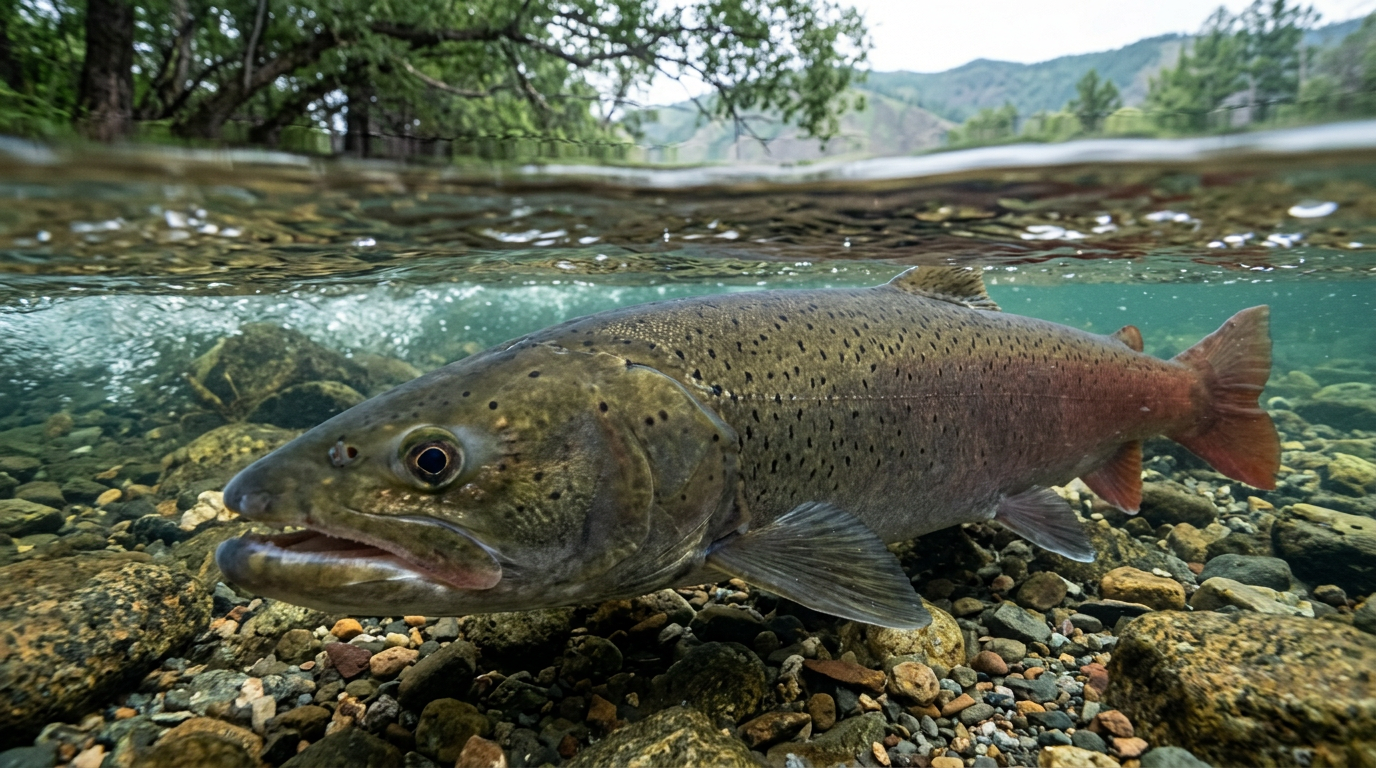
The Taimen's range has declined by approximately 60% since 1985 — equivalent to 21 years or three generations — indicating a population reduction of over 50%. Ongoing habitat degradation from illegal fishing and gold mining continues to suppress individual numbers. Without wider adoption of catch-and-release practices, and given rising demand from China and Russia, population size is projected to fall by a further 60% over the next 20 years.
The species occupies a range of less than 500 km² within fewer than five known locations in Mongolia. Although populations migrating from Russia face similar pressures, Mongolia's Taimen population is not considered a satellite population — it is a self-sustaining and irreplaceable part of the species' range.
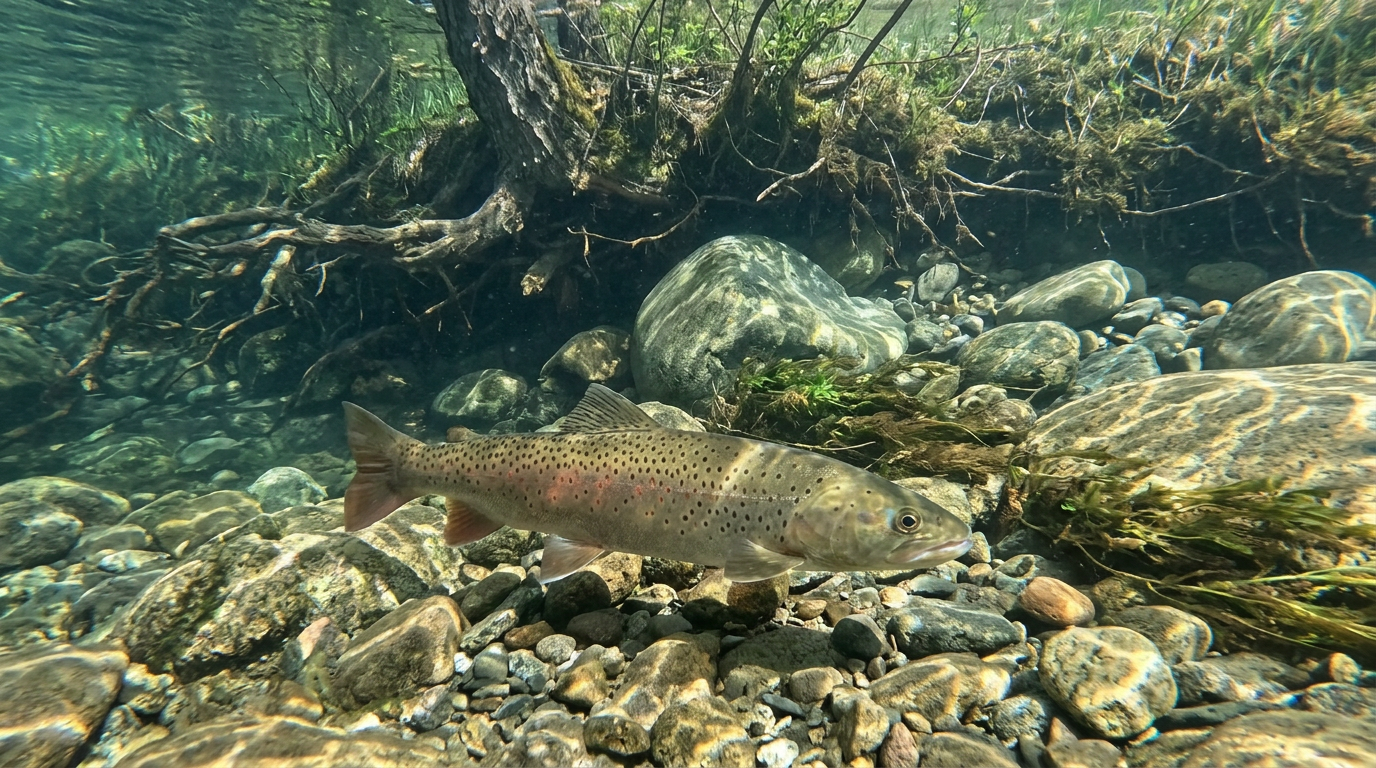
This species has become rare across its regional range due to illegal fishing and the impact of gold mining. Demand in Ulaanbaatar and China continues to grow, increasing pressure on the species. The population is projected to decline by up to 30% over the next 15 years (three generations) based on ongoing threats (Criterion A3). After applying regional criteria, the conservation status classification remained unchanged.
Although populations migrating from Russia are also declining, Mongolia's Lenok population is not considered a satellite population.
Two morphologically and genetically distinct forms within the Amur River basin have been described — the blunt-nosed and the pointed-nosed Lenok (Bogutskaya & Naseka, 2004). Whether the pointed-nosed Lenok found in Mongolia constitutes a separate species from the blunt-nosed form remains unresolved. The taxonomic status of B. tumensis relative to B. lenok is currently unclear (M. Kottelat, pers. comm.).
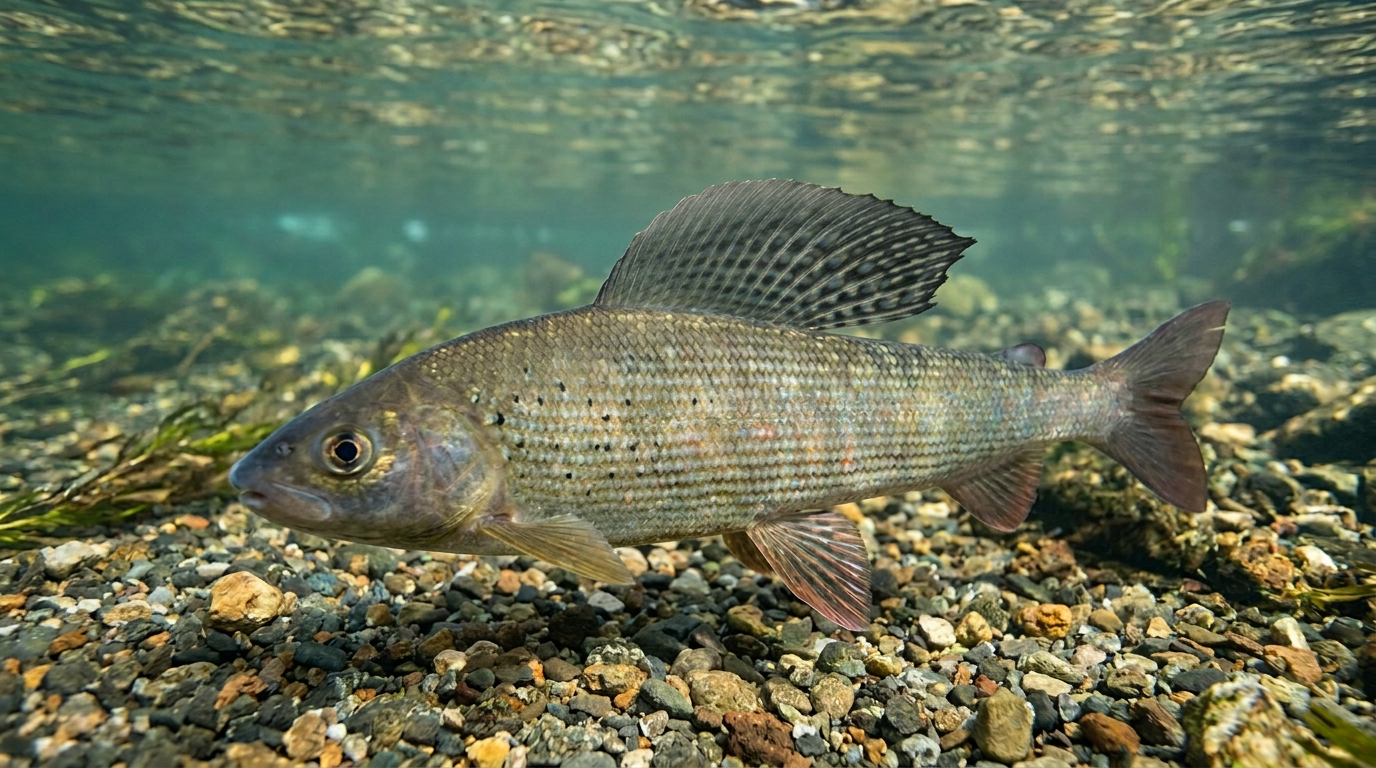
Detailed information coming soon. Check back after our next update.